Industrial Sieve Screen: The Complete Guide to Better Material Screening
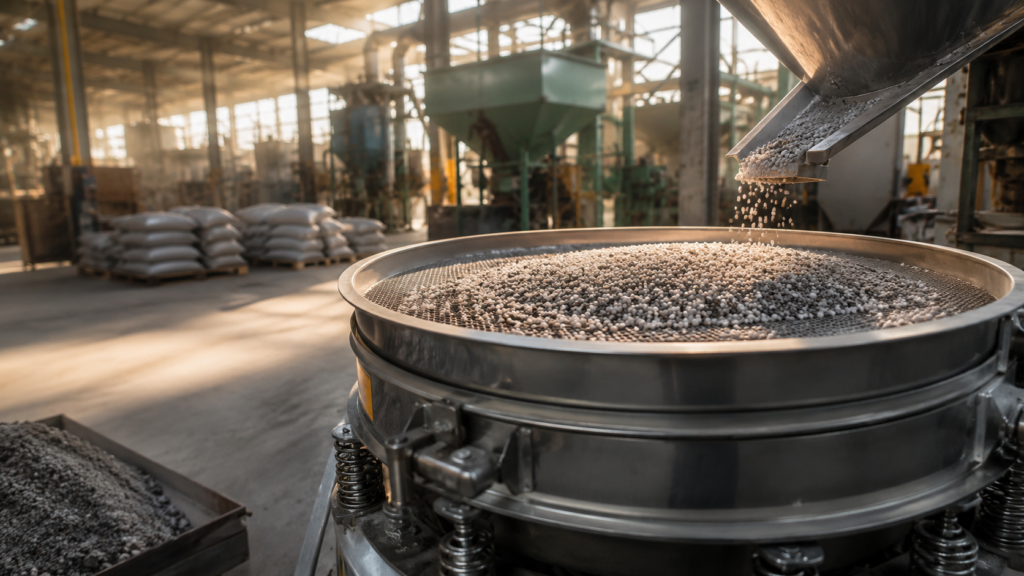
In many industries, such as food processing, pharmaceuticals, chemical production, mineral extraction, or construction materials handling, a single damaged screen could halt an entire production line. Poor screening results lead to costly problems such as product contamination, inconsistent particle sizes, waste of raw materials, and unplanned downtime. This translates directly into higher production costs and affects both customer satisfaction and final product quality.
Investing in the proper industrial sieve screen isn’t simply about buying a replacement part – it’s about increasing your company’s bottom line by ensuring optimal screening performance throughout every step of your manufacturing processes. A good selection ensures that your operation runs at maximum capacity without unnecessary interruptions from routine maintenance, prevents material losses due to improper grading, and allows for better control over end-use properties.
Too often, manufacturers concentrate their efforts solely on acquiring superior machines, yet ignore one vital component that enables all other factors involved – effective screening systems require appropriate types & grades of sieves being used alongside them! Even the best-designed equipment won’t provide precise outcomes when faced with inappropriate specifications (or worse still aged/repaired versions)…
This guide will provide you with all of the information that you need when choosing, maintaining, or utilizing an industrial screening solution.
Whether you are looking to purchase a new screen, upgrade existing equipment, or troubleshoot some of your recurring issues regarding screening, this comprehensive article should cover you. From practical advice on how to approach these types of tasks to top tips for shopping around for your next solution, there is sure to be plenty here that interests you!
Why an Industrial Sieve Screen Is Essential for Manufacturing
Consistency in product quality is crucial for every production facility. With an industrial sieve, you can ensure this consistency by separating materials based on their particle size. This ensures your product meets specifications before moving forward into packaging or further processing stages.
Effective screening ensures manufacturers avoid problems such as inconsistent batches, excess waste, product recalls, and customer complaints.
Industries that commonly rely on industrial screening include:
Our product range includes: Food Processing, Pharmaceutical Manufacturing, Chemical Processing, Fertilizer Production, Ceramics, Paint & Coatings, Mining & Minerals, Plastic Recycling
No matter your industry, our proper screening will help you maintain quality standards and enhance production efficiency.
Understanding Industrial Sieves and Screens
While industrial sieves and screens are often used synonymously, there are various kinds of these devices designed for specific applications.
Woven Wire Screens
These are the most common choices when dealing with dry materials, as they provide an excellent amount of precision, along with having different mesh sizes too.
Perforated Metal Screens
For Handling Larger Particles & Heavy-Duty Materials. Offers Durability In Demanding Environments.
Fine Mesh Screens
Designed for powder applications where precise particle separation is critical.
Ultrasonic Screens
The other options listed above help reduce mesh blockage while performing fine powder screening and are well-suited to be used in pharmaceuticals & chemical industries. Every one of these has its own set of unique properties that can make you choose according to the required property of your material, along with the requirements of the whole process.
How Screening and Industrial Sieving Improve Production Efficiency
Efficient screening and industrial sieving are about more than just separating particles from one another!
A properly selected screen can:
Our vibrating screens can help you improve your product consistency, reduce production waste, increase processing speed, lower maintenance costs, protect downstream equipment, and reduce product contamination.
Here’s how we did it at this spice processing plant:
“Customers were noticing inconsistencies with oversized particles remaining within the final product.”
The manufacturer achieved a more uniform texture through proper installation of the correct mesh size – resulting in reduced product rejections.
It’s important to make small improvements that lead to significant ones along your whole production line when you screen
Types of Sieve Screens and Their Applications
Different types of screens cater to specific industries with unique needs.
Selecting the appropriate type of screening ensures optimal performance and longevity. Screen Type Best Application Key Benefit Stainless Steel Mesh Food & Pharmaceuticals Corrosion resistance Woven Wire Screen Chemicals & Minerals High accuracy Perforated Plate Aggregates Heavy-duty strength Nylon Mesh Lightweight materials Flexible and economical Ultrasonic Screen Fine powders Prevents mesh clogging Choosing the right material will ensure high-quality products while prolonging equipment lifespan.
How to Choose the Right Sieve Screen
Selecting the right screen will prevent unnecessary production delays.
Evaluate these factors before making your purchase decision.
Material Type
Depending on the material, different mesh sizes are required to screen fine powders or granules.
In general, smaller granules can pass through meshes of finer mesh size.
Mesh Size
The mesh size affects the quality of the product.
Too fine a mesh restricts the throughput.
Too coarse a mesh lets unwanted particles get through.
Material Compatibility
For hygienic environments – Choose stainless steel
Processing minerals or aggregates – Select abrasion-resistant materials
Operating Conditions
High temps, moisture, vibration, and chemical exposures also impact screen performance.
Machine Compatibility
Make sure to confirm that replacement screen sizes fit your equipment’s size and mounting system. Failing to do this could lead to vibration issues and accelerated wear.
Benefits of Investing in High-Quality Screens
For some manufacturers, buying cheap replacement screens reduces their costs.
Premium screens provide:
- Our machines have a longer service life.
- They offer better particle separation for your process.
- Downtime is reduced due to improved reliability of our separators.
- You experience more productivity from the same machine.
- We can reduce your maintenance costs with less need for repairs.
Finally, you get more consistent results that are an advantage to your customers.
Of course, the cost of investing in a quality separator will be higher upfront than many alternatives. But over time, the financial benefits outweigh the cost of buying one.
Common Mistakes That Reduce Screening Performance
The good news is that many of these issues can be prevented. Below are some of the most common things manufacturers get wrong during screenings.
- Using the Wrong Mesh Size
- Choosing mesh solely by price over application results in poor product quality
- Delaying Screen Replacement
- The small cracks will lead to bigger problems. Replace your screens before they are contaminated.
- Ignoring Routine Inspection
- Regular visual inspections can identify signs of wear prior to production issues arising.
- Overloading the Screen
- Do not use excessive feed rates as they decrease separation efficiency.
- Ensure that your materials are given proper time for them to separate.
- Poor Cleaning Practices
- The blocked mesh openings reduce its capacity. Screen cleaning after production increases the service life significantly.
Buying Guide: What to Check Before Purchasing
Before you order Screens, ask these Questions:
Is the Mesh Size Correct? Always confirm the Required Particle size before purchasing.
Does the Material Match your Product?
What is the expected Lifespan?
How often will you replace your screen? Longer-lasting screens mean less frequent replacements.
Is your supplier experienced? Look for companies that have industry experience as well as quality manufacturing standards.
Are Custom Sizes available?
Expert Tips for Longer Screen Life
We’ve asked experienced maintenance crews about their best practices for extending the life of screens. Here are some tips you can use to keep your displays running longer!
Inspect Screens Weekly
Small defects can be repaired easily at lesser cost.
Store Spare Screens Properly
Do not bend your screens improperly. Do not stack your screens improperly.
Clean Carefully
Choose appropriate cleaning methods that will not damage your mesh.
Train Operators
The problem with this sort of thing is that incorrect installation will create an even distribution of tension (and therefore cause the items to fail much earlier than expected).
Industrial Sieve Screen
It ensures that unexpected breakdowns don’t cause major disruptions since you have replacements in stock already. Preventive maintenance generally costs less than emergency repairs.
Things Most Buyers Ignore
While many purchasing decisions are focused solely on mesh size, experienced engineers consider far more.
Buyers often overlook:
Wire diameter. Mesh tension. Weld quality. Frame construction. Surface finish. Corrosion resistance. Food-grade certifications. And ease of installation.
All these have an influence on your end result’s performance and your long-term operating costs.
Investing a bit more in a slightly better grade will allow you to get away with having to replace your screen as often.
Why Preventive Maintenance Matters
Waiting until your screen fails will create bigger issues down the road. With our preventative maintenance schedule, you can rest assured that we are able to identify any wear on your parts well before it impacts your production.
Recommended maintenance includes:
Daily Visual Inspection
Weekly Cleaning
Monthly Tension Checks
Scheduled Replacement Based On Operating Hours
Facilities That Follow Preventive Maintenance Usually Experience Fewer Unexpected Shutdowns and Lower Operating Costs.
Frequently Asked Questions
Q. What Is An Industrial Sieve Screen Used For?
Ans: Industrial screens are used for separating materials based on their particle size. This allows manufacturers to produce better-quality products while removing contaminants.
Q.When Should You Replace Your Screens?
Ans: It all depends on your operating conditions, what types of materials you process, how much volume you’re producing, and more. A good idea would be to regularly inspect your screens and find out if it’s time to replace them.
Q. Which one is the Best Material For Sieve Screens?
Ans: Stainless Steel is Preferred Mostly for its Durability & Corrosion Resistant & Hygiene Properties.
Q. How to Choose the Correct Mesh Size?
Ans: Choose a mesh according to your desired particle sizes. Testing using samples will give more accurate results.
Q. Why are my sieve screens getting clogged?
Ans: A common reason for this is fine powders, moisture, static electricity, or wrong mesh selection.
Q. Does the damage to the screens have an impact on product quality?
Ans: When there is a tear or wear, oversized particles and contaminants will go through, thus causing inconsistency in products.
Q. How can we prolongate screen’s life?
Ans: Properly clean the display on a regular basis. Make sure that you install them properly. Avoid overloading them. Replace the screens when necessary.
External Authority Suggestion
For more technical guidance along with an overview of internationally recognized testing standards, see ASTM International. They publish many types of standards that relate to test sieves, particle size analysis, as well as other forms of material testing.
Final Thoughts
Choosing reliable industrial screening equipment is just the first step in ensuring optimal performance for years to come. While investing in quality screens provides numerous benefits, such as enhanced production efficiency and product quality, longevity of use requires careful consideration when selecting both replacement parts and initial purchase options.
Regular inspection and maintenance routines, coupled with informed decision-making around what type(s) work best based upon individual applications, will contribute greatly towards maximizing operational value while minimizing costs associated with frequent replacements due to premature failures. Taking time to evaluate materials used during manufacture alongside appropriate sizing choices also ensures greater consistency over time, resulting in better overall outcomes at each stage along production cycles.
Still looking to boost your screening performance? Check out these related guides covering everything from sieve maintenance to mesh selection to vibratory screening equipment and replacement screen solutions!
Contact to Mech Tech Steel Industries for more information